
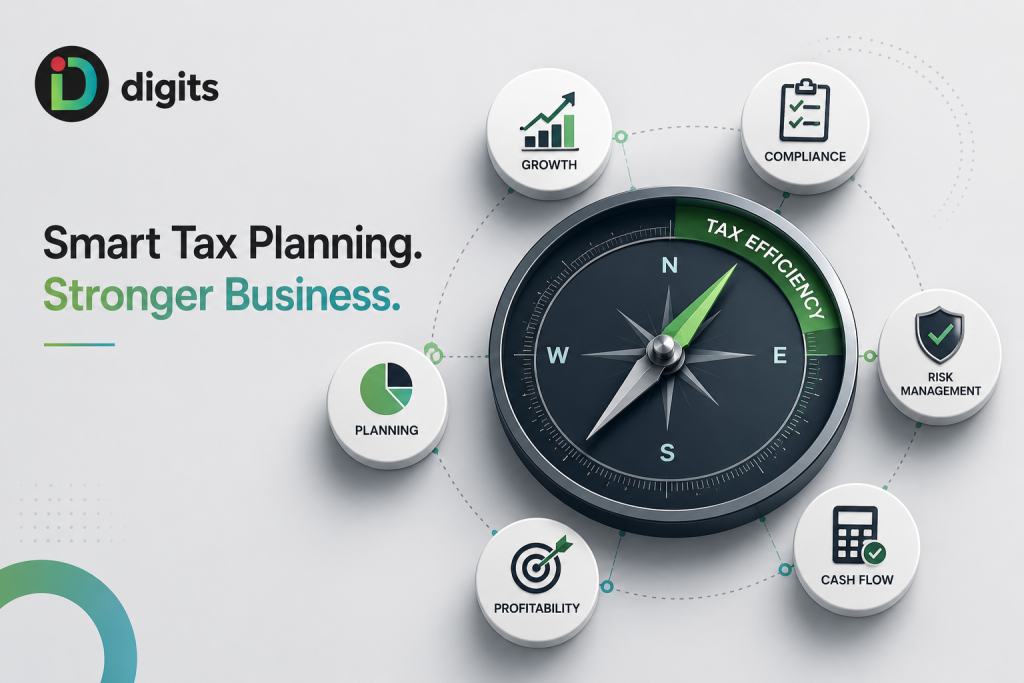
Since the introduction of Corporate Tax in the UAE, businesses have had to rethink how they approach financial planning, compliance, and profitability. While the UAE remains one of the world’s most attractive business destinations, companies are now expected to maintain proper records, comply with tax regulations, and accurately assess their tax obligations.
This makes corporate tax planning more important than ever.
However, effective tax planning is not about avoiding taxes, it’s about improving tax efficiency while remaining fully compliant with UAE regulations. Businesses that take a proactive approach can reduce risks, improve cash flow, and make more informed financial decisions.
Why Corporate Tax Planning Matters
Many businesses only think about taxes when filing deadlines approach. Unfortunately, this reactive approach often leads to missed opportunities and increased compliance risks.
A well-planned tax strategy can help businesses:
- Improve cash flow management
- Reduce compliance risks
- Strengthen financial planning
- Utilize available deductions appropriately
- Support long-term business growth
The key is to treat tax planning as an ongoing business function rather than a year-end exercise.
Businesses that regularly review their tax position are often better prepared to adapt to changing regulations and avoid costly surprises.
Common Tax Planning Mistakes Businesses Make
Several businesses unintentionally increase their tax exposure due to poor planning.
Treating Tax Planning as a Once-a-Year Activity
Regular reviews provide greater visibility into tax obligations and allow businesses to identify opportunities before reporting periods end.
Poor Record Keeping
Incomplete financial records can create compliance challenges and increase the likelihood of errors during tax assessments.
Ignoring Related Party Transactions
Companies that transact with related entities should ensure they understand and comply with UAE transfer pricing requirements. Proper documentation and reporting can help reduce compliance risks and avoid potential penalties.
Practical Ways to Improve Tax Efficiency
Improving tax efficiency does not require aggressive tax strategies. Instead, businesses should focus on strengthening their financial processes and planning proactively.
Review Your Business Structure
As businesses grow, their operational and tax requirements evolve. Periodic reviews can help ensure the existing structure remains efficient and compliant.
Maintain Accurate Financial Records
Reliable accounting data forms the foundation of effective tax planning. Businesses using outdated systems may also benefit from reviewing Is Your Accounting Software Ready for UAE Compliance Requirements? to ensure their financial reporting processes support both compliance and tax planning objectives.
Monitor Taxable Income Throughout the Year
Regular monitoring helps management make informed decisions rather than relying on last-minute adjustments.
Why Compliance Must Come First
The most effective tax strategies are those that prioritize compliance.
Businesses that focus solely on reducing tax liabilities without considering regulatory requirements may expose themselves to:
- Financial penalties
- Regulatory scrutiny
- Additional tax assessments
- Reputational risks
To stay informed about current requirements, businesses should regularly review guidance published by the Federal Tax Authority (FTA) and the UAE Ministry of Finance.
A compliance-first approach not only reduces risk but also supports sustainable growth and long-term business stability.
How Technology Supports Better Tax Planning
Technology plays an increasingly important role in corporate tax management.
Modern accounting and ERP systems can help businesses:
- Improve reporting accuracy
- Automate calculations
- Maintain proper documentation
- Monitor compliance requirements
- Reduce manual errors
Businesses that invest in strong financial systems are often better positioned to manage both compliance and tax efficiency.
For organizations evaluating their accounting infrastructure, our article on ERP for SMEs in Dubai provides additional insights.
Why Businesses Choose Digits for Corporate Tax Advisory
Effective tax planning requires a combination of regulatory knowledge, accurate financial reporting, and strategic insight.
At Digits, our experienced tax and advisory professionals help businesses identify compliance risks, improve tax efficiency, and build practical tax strategies aligned with UAE regulations.
What Sets Digits Apart?
- Experienced corporate tax specialists
- Compliance-focused advisory services
- Tax planning aligned with UAE regulations
- Strong accounting and financial reporting expertise
- Ongoing support as regulations evolve
Whether you’re reviewing your tax position for the first time or looking to optimize existing processes, our team can help you navigate the complexities of UAE Corporate Tax with confidence.
Learn more about our Corporate Tax Advisory Services and how we help businesses balance compliance and efficiency.
Quick Tax Planning Checklist
Before your next reporting period, ask yourself:
✅ Ensure accounting records are accurate and up to date.
✅ Review your tax position regularly.
✅ Document related-party transactions appropriately.
✅ Record eligible expenses correctly.
✅ Maintain sufficient supporting documentation.
✅ Monitor taxable income throughout the year.
✅ Assess potential compliance risks periodically.
Conclusion
Corporate tax planning is no longer simply a compliance exercise, it is an essential component of financial management and business strategy.
Businesses that proactively review their structures, strengthen financial processes, and prioritize compliance are better positioned to improve tax efficiency while minimizing risk.
As the UAE’s corporate tax landscape continues to evolve, organizations that invest in effective planning today will be better prepared for tomorrow’s challenges.
If you’re unsure whether your current tax strategy is optimized, now is the ideal time to conduct a review and ensure your business remains both compliant and tax-efficient.
For businesses dealing with international transactions, the OECD Transfer Pricing Guidelines also provide valuable insights into globally accepted transfer pricing practices and documentation standards.
Follow For More Updates: