

If you are operating a business in the UAE, audits are no longer limited to regulatory compliance, they are integral to governance, transparency, and sustainable growth.
A common question businesses face is:
Do you require an internal audit, an external audit, or both?
This blog provides a clear, structured perspective to help you make that decision.
Understanding the Basics
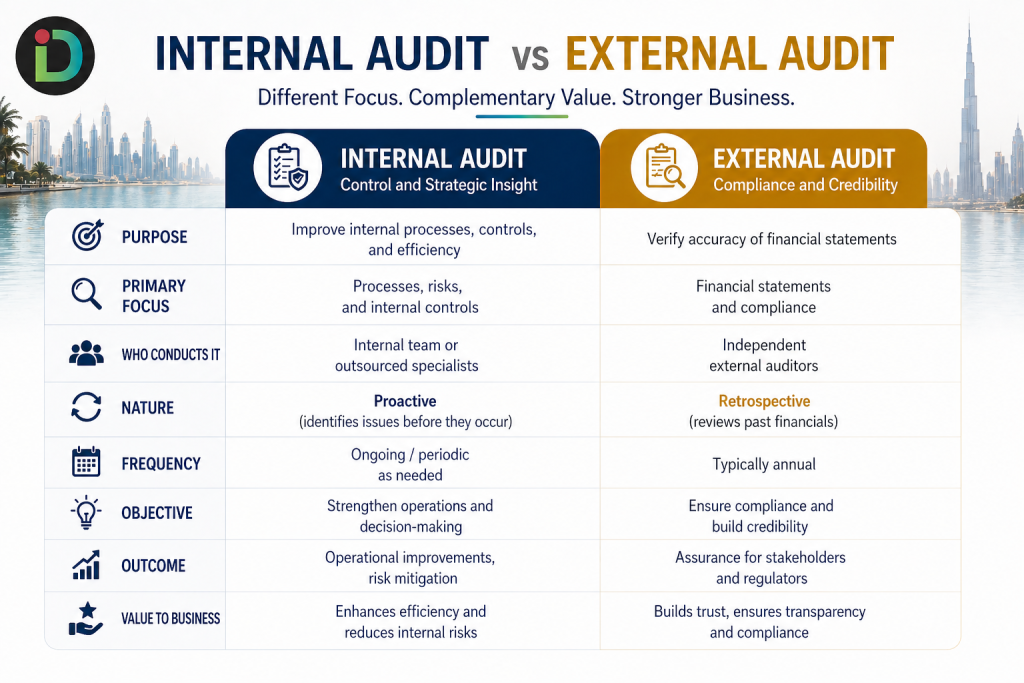
External Audit: Compliance and Credibility
As a matter of fact, external audits are carried out by independent auditors to ensure that financial statements present a true and fair view in accordance with UAE regulations.
- Focus: Financial statements
- Conducted by: Independent auditors
- Frequency: Typically annual
External audits enhance stakeholder confidence, ensure regulatory compliance, and support financial transparency.
Internal Audit: Control and Strategic Insight
An organization’s internal controls are evaluated by internal audits, operational efficiency, and risk management framework.
- Focus: Processes, risks, and controls
- Conducted by: Internal teams or outsourced specialists
Internal audits provide actionable insights that strengthen decision-making and improve operational performance.
Why This Matters More Now in the UAE
The UAE’s regulatory environment is evolving rapidly, with increased emphasis on:
- Corporate tax compliance
- VAT regulations
- Financial transparency and reporting standards
As a result, maintaining accurate, well-documented financial systems is no longer optional, it is a fundamental requirement for businesses aiming to scale and remain compliant.
Common Misconceptions
A frequent misconception among businesses is:
“We already conduct an external audit, so we are fully covered.”
This assumption is inaccurate.
- External audits are retrospective, they evaluate past financial performance.
- Internal audits are proactive, they identify potential risks and inefficiencies before they escalate.
Without internal audits, businesses may overlook:
- Revenue leakages
- Fraud risks
- Operational inefficiencies
- Compliance gaps
What Growing Companies in the UAE Actually Need
1. Early-Stage Businesses
- External audit (where mandated)
2. Scaling Businesses (Critical Phase)
As organizations grow, complexity increases:
- Higher transaction volumes
- Expanding teams
- Increased financial and operational risks
At this stage, a dual approach becomes essential:
- External audit for compliance
- Internal audit for control and optimization
Internal audits enable businesses to:
- Identify issues early
- Strengthen internal systems
- Mitigate financial and compliance risks
- Improve operational efficiency
This is typically where organizations begin to realize measurable returns on their audit investments.
Can One Replace the Other?
In short: No.
- External audits do not provide operational insights
- Internal audits do not fulfill regulatory validation requirements
Both functions serve distinct yet complementary roles in a comprehensive governance framework.
The Strategic Approach Adopted by High-Growth Companies
High-performing organizations do not choose between internal and external audits, they integrate both.
- External audits: Ensure compliance and enhance credibility
- Internal audits: Strengthen controls and improve efficiency
This combined approach enables businesses to:
- Reduce regulatory and financial risks
- Improve profitability
- Build investor confidence
- Scale sustainably
Final Verdict
For businesses operating in a dynamic and regulated market such as the UAE, the question is not whether to choose between internal and external audits, but how to effectively implement both within a cohesive financial strategy.
External audits provide assurance to regulators and stakeholders by validating the accuracy of financial reporting. Internal audits, on the other hand, act as a continuous improvement mechanism, identifying inefficiencies, mitigating risks, and strengthening internal controls.
Organizations that rely solely on external audits may remain compliant, but they risk overlooking critical operational inefficiencies and emerging threats. Conversely, relying only on internal audits may improve internal processes but fall short of regulatory expectations.
A well-structured combination of both ensures not only compliance but also resilience, efficiency, and long-term scalability.
How Digits Can Support Your Audit and Assurance Needs

Digits provides comprehensive audit and assurance services designed to help businesses in the UAE navigate regulatory requirements while strengthening their financial and operational foundations.
Their approach goes beyond standard compliance by focusing on:
- Risk-based auditing: Identifying high-impact risk areas and addressing them proactively
- Process optimization: Enhancing operational efficiency through structured evaluation of internal systems
- Regulatory compliance: Ensuring adherence to evolving UAE laws, including corporate tax and VAT requirements
- Financial transparency: Delivering accurate and reliable financial insights for better decision-making
By combining technical expertise with a practical, business-oriented approach, Digits helps organizations:
- Strengthen internal controls
- Improve financial accuracy
- Reduce exposure to risks and penalties
- Build a scalable and audit-ready business framework
Whether you are at an early stage or in a high-growth phase, partnering with a structured audit and assurance provider can significantly enhance both compliance and performance outcomes.
Ready to Strengthen Your Audit Strategy
Follow us on:
Read Our Blogs:
-
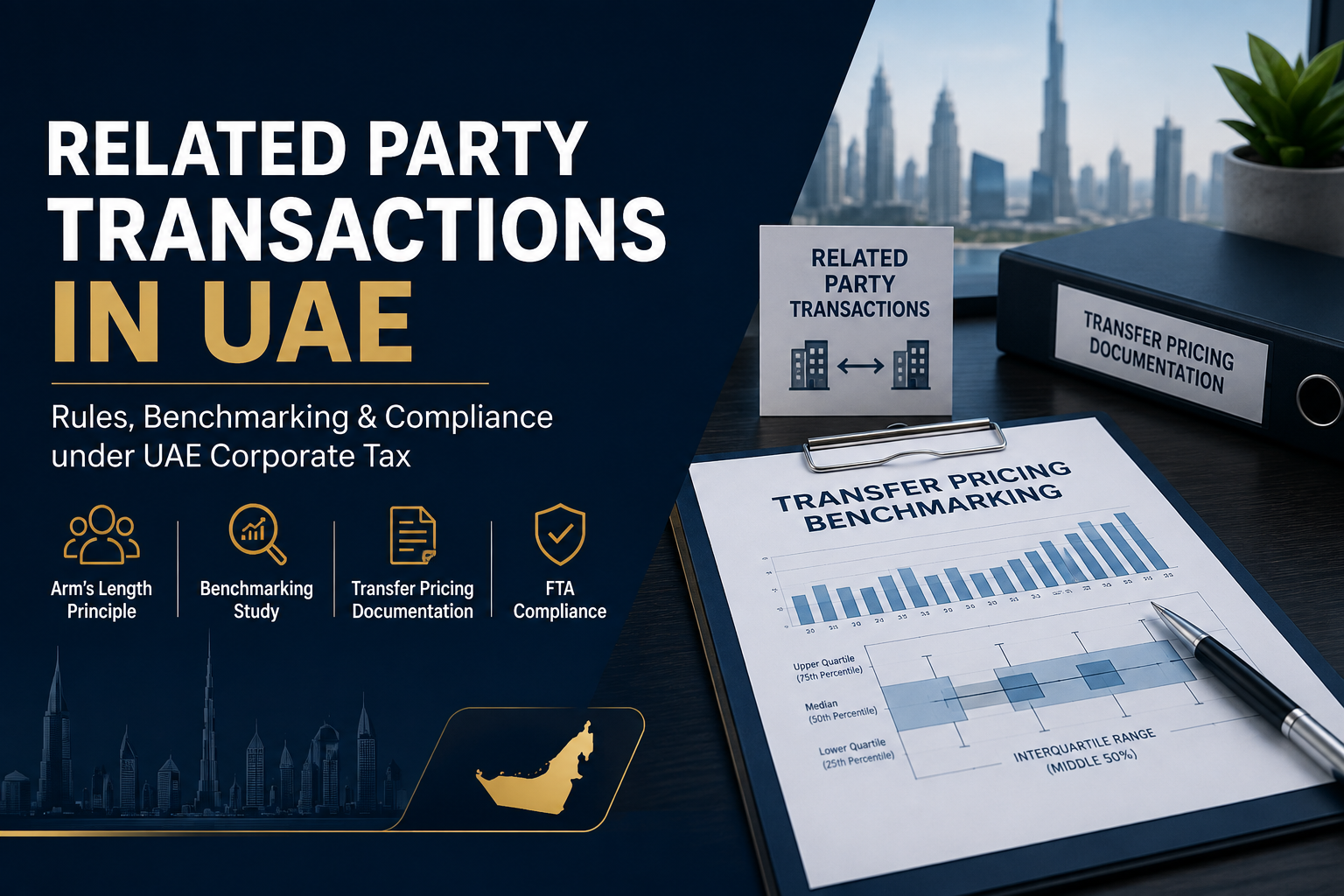
Related Party Transactions Explained: What Every Business Needs to Know
Businesses frequently transact with companies or individuals they share a close relationship with. These dealings, known as Related Party Transactions (RPTs), are common among corporate groups, family-owned businesses, subsidiaries, and companies with common ownership. While such transactions are perfectly legitimate, they require careful documentation and transparency to ensure they are conducted fairly. With the introduction
-

Small Business Relief Ends December 2026: What Happens to Your Tax Position Next?
The UAE’s Small Business Relief (SBR) has helped thousands of SMEs transition smoothly into the Corporate Tax regime. Eligible businesses with annual revenue of AED 3 million or less can elect for Small Business Relief and treat their taxable income as nil for qualifying tax periods. However, this relief is temporary. Unless the tax authorities
-
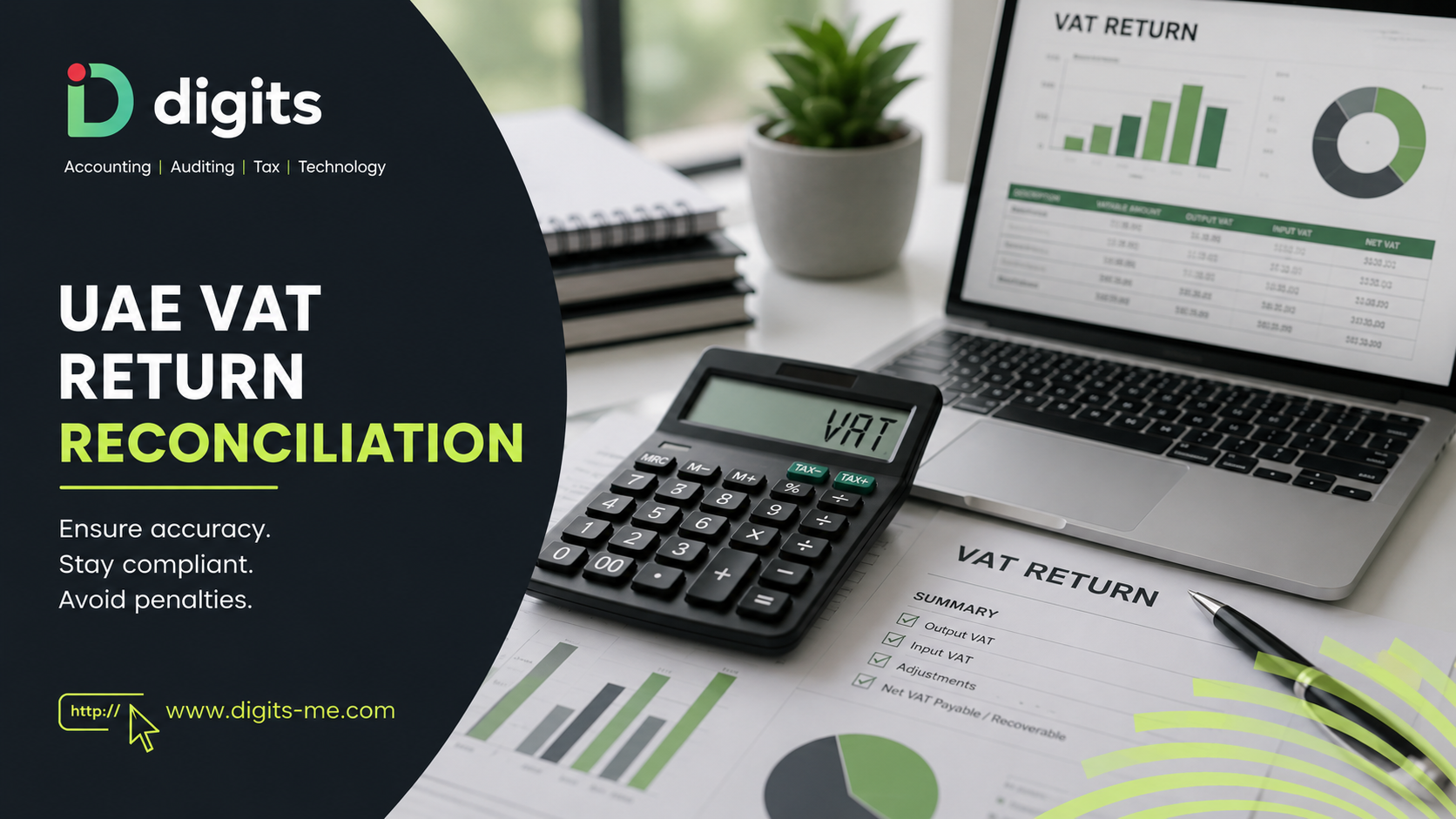
Reconciling Your Books to Your VAT Return: Where Most SMEs Go Wrong
A VAT return should be the final checkpoint, not the moment your finance team begins searching for invoices, correcting sales figures, or guessing which expenses qualify for input VAT recovery. Yet for many UAE SMEs, VAT reconciliation becomes a last-minute scramble. The VAT return may be submitted on time, but if the figures do not
-
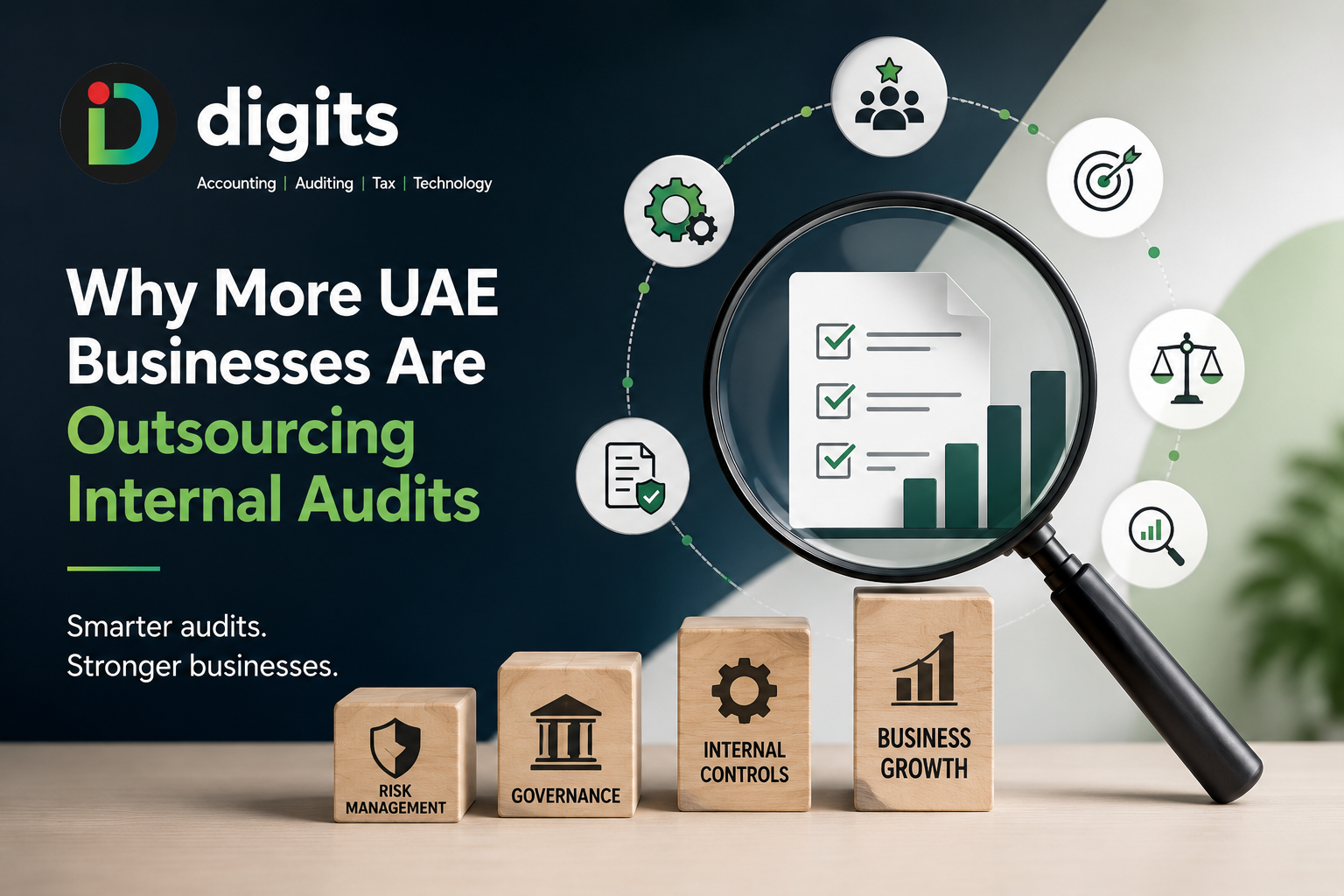
Outsourced Internal Audits in the UAE: Balancing Compliance, Cost, and Operational Efficiency
Introduction As regulatory requirements continue to evolve across the UAE, businesses are facing increasing pressure to strengthen governance, improve risk management, and maintain compliance with local and international standards. While internal audits have traditionally been managed in-house, many organizations are now turning to outsourced internal audit services as a strategic solution. From startups and SMEs
-

UAE E-Invoicing Is Approaching: Is Your Custom Accounting Software Actually Ready?
Introduction The UAE’s e-invoicing mandate is rapidly approaching, and businesses across the country are beginning to assess whether their financial systems can meet the upcoming compliance requirements. While many organizations use popular accounting platforms, a significant number of businesses rely on custom-built ERP systems, proprietary accounting software, or industry-specific invoicing solutions developed to match their
-
Corporate Tax Planning in the UAE: How Businesses Can Improve Tax Efficiency While Staying Compliant
Since the introduction of Corporate Tax in the UAE, businesses have had to rethink how they approach financial planning, compliance, and profitability. While the UAE remains one of the world’s most attractive business destinations, companies are now expected to maintain proper records, comply with tax regulations, and accurately assess their tax obligations. This makes corporate