
UAE E-Invoicing Guidelines: What UAE Businesses Need to Know
The UAE’s new e-Invoicing Guidelines (Feb 2026) roll out a nationwide electronic invoicing system for all businesses. The initiative aligns with the UAE’s digital economy vision and promises significant benefits. According to the official guidelines, e-invoicing will maximize tax compliance and efficiency while improving transparency and taxpayer experience. Key advantages include: Tax compliance: Maximize compliance, […]
VAT Deregistration in the UAE: What It Is, Why It Matters, Who Should Do It & When You Should Apply
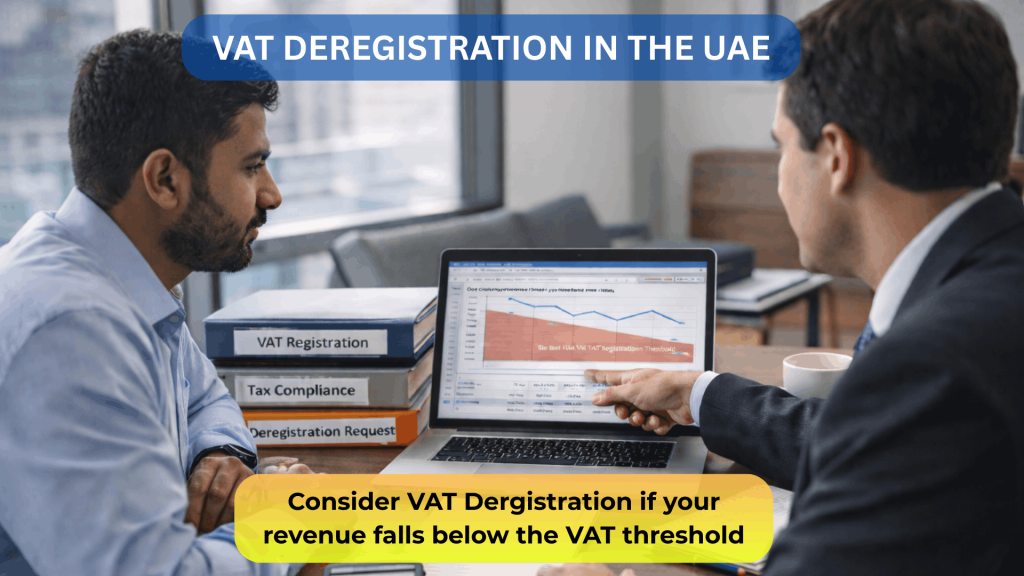
Value Added Tax (VAT) is an important part of doing business in the United Arab Emirates (UAE). But what happens when your business stops making taxable supplies is less than AED 187,500, cease operations or changes the legal type? That’s where VAT deregistration comes in. In this guide, we explain what VAT deregistration means, why […]
Accounting & Bookkeeping in the UAE: How Poor Financial Records Can Lead to FTA Penalties and Business Risk

In the UAE’s regulated business environment, maintaining proper financial records is not just good practice, it is a legal requirement. With VAT and Corporate Tax now firmly in place, businesses must ensure their accounting records are accurate, organized, and up to date. Many companies underestimate bookkeeping, assuming it is only about recording transactions. However, poor […]
Corporate Tax in the UAE (2026): A Practical Compliance Checklist for Businesses

The UAE Corporate Tax framework has now moved firmly into its enforcement phase. As businesses enter 2026, corporate tax compliance is no longer a preparatory exercise it is a statutory requirement with defined timelines, documentation standards, and financial consequences for non-compliance. This guide provides a clear and practical overview of corporate tax compliance requirements in […]
What Is E-Invoicing in UAE? A Complete Guide for Businesses(2026)
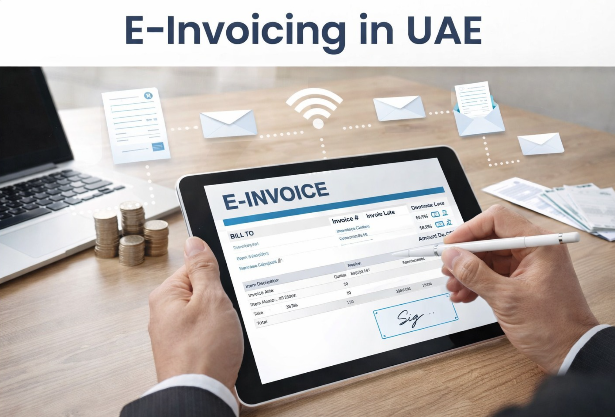
E-invoicing in the UAE is set to transform how businesses manage invoicing and VAT compliance. This blog explains what e-invoicing means, how it differs from traditional PDF or paper invoices, who will be impacted, and why early preparation matters. It also highlights compliance benefits, operational advantages, and practical steps businesses can take to stay future-ready […]
IFRS 16 Explained: What It Means for Your Business (and Why It’s More Than Just Accounting)

IFRS 16 might sound like another technical accounting standard, but for many businesses, it’s a fundamental shift in how leases are viewed on the balance sheet — and how decision-makers interpret their company’s financial position. Whether you lease office space, vehicles, machinery, or IT equipment, IFRS 16 has likely changed the way you report and […]
Freezone vs Mainland Company. Which one to choose?

What is a Mainland Company in UAE? Mainland companies are legal entities registered with an Emirate authority (Department of Economy and Tourism). As a result, these companies enjoy a certain level of freedom in their operations and setup. They can issue visas, do business freely with other companies in and outside the UAE, and potentially […]
What are the audit requirements for a company incorporated in Dubai?

To understand this, we should know about the different kinds of audits normally performed in UAE. Lets have a brief introduction of these. Regulatory Audit A regulatory audit focuses on ensuring that a company complies with the various laws, regulations, and standards set forth by the local authorities and regulatory bodies. These include compliance with: […]
How to start your business in UAE?

We advise you to read through this guide to fully understand the steps required on how to incorporate a company in Dubai. The process of establishing a company in the UAE involves only a few simple steps, in all seven emirates. Steps involved in incorporating a business. Starting a business in ordinary ways involves a […]
What is Tax Residency Certificate (TRC)?

Since UAE follows residency-based taxation, where resident entities are taxed with respect to their worldwide income, double taxation may occur where income is taxed in both the source country and resident country. To avoid this UAE has entered into Double Taxation Avoidance Agreement (DTAA) with multiple countries. An updated list of DTAs can be found […]